A Brief History of the Canyon

A living canyon shaped by geology, settlement, and quiet persistence.

South Cheyenne Canyon holds a layered history of water, stone, homesteads, roads, mineral claims, cabins, and the families who kept returning to its steep draws and creek corridors.

From the time of the Ute, Arapaho, and Southern Cheyenne peoples to the settlers, miners, and local families who built lives here, the canyon has been both refuge and frontier.

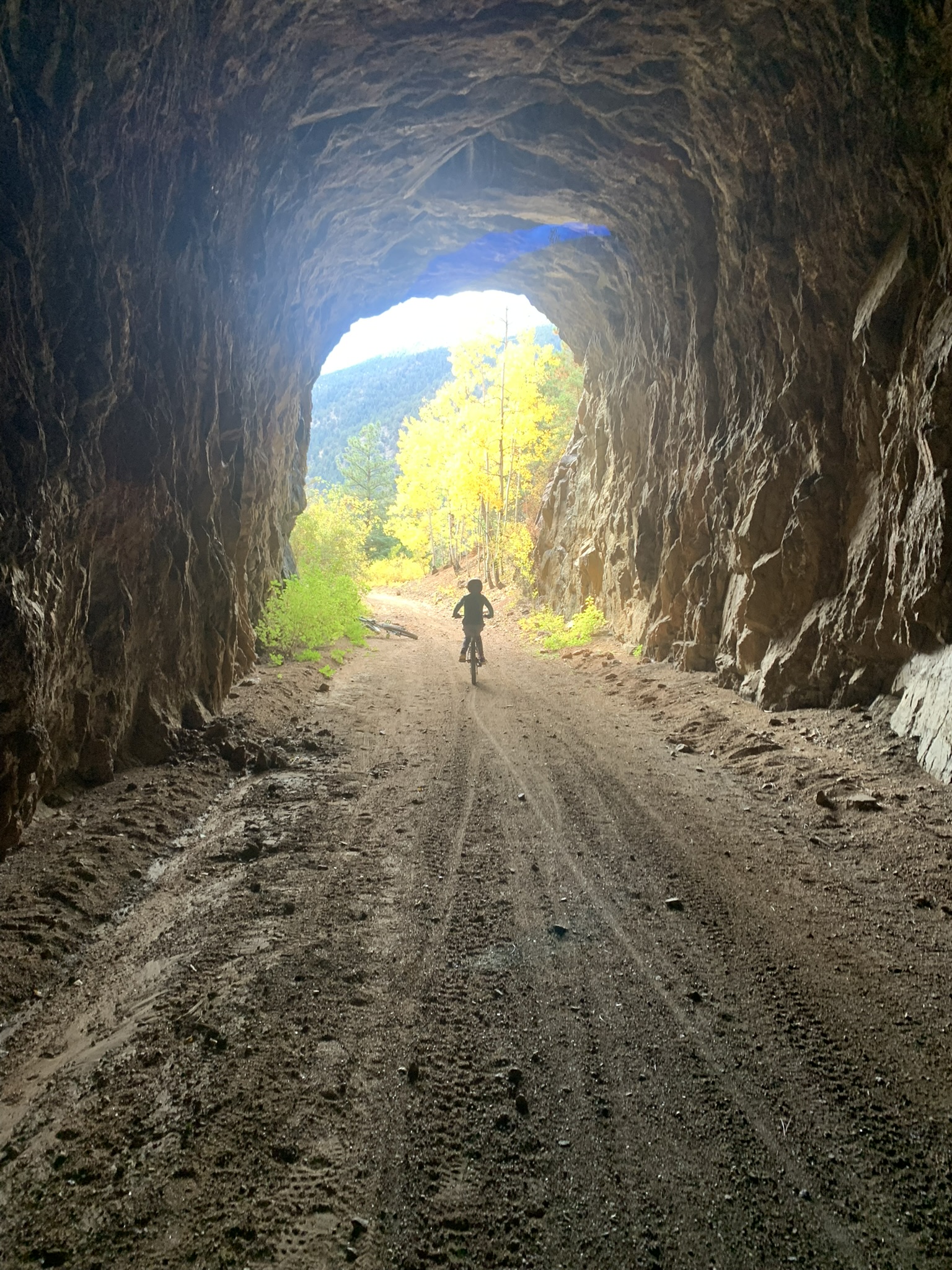
Canyon tunnel trail in South Cheyenne Canyon.
The canyon is still experienced through the routes, cuts, and passages people move through today.
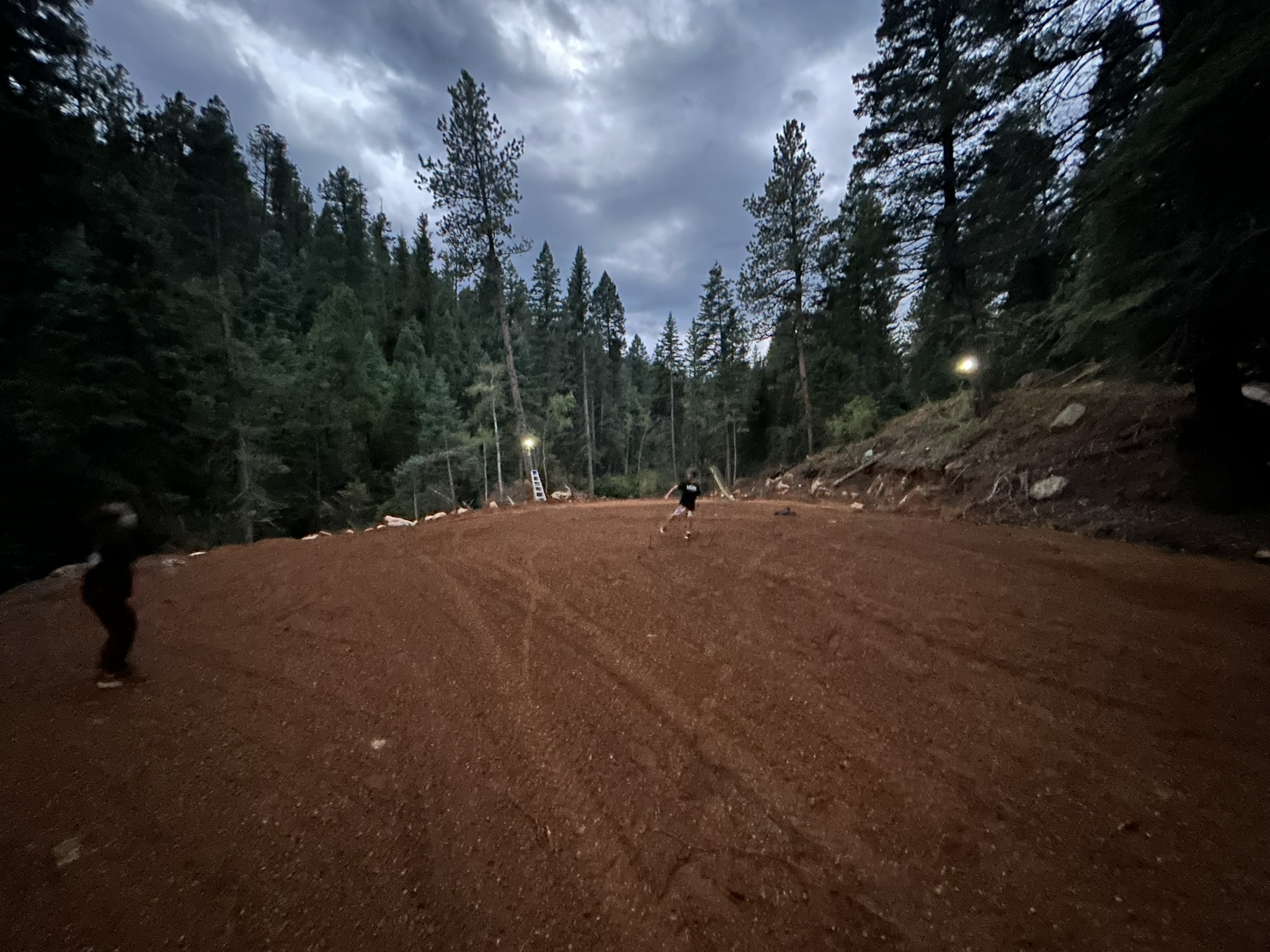
Forest clearing in the canyon under dramatic sky.
Even new work on the land sits inside a much older mountain setting.

Early Homesteads and Settlers

Claims, cabins, and family names that still echo through the canyon.

By the 1870s and 1880s, homesteaders began filing claims in the canyon. Bertha E. Bourne filed a 160-acre tract in 1888 at Greenwood Park, near the ruined Bourne buildings that still mark the area.

Georgiana Russell arrived in 1884 and claimed her land before any real roads reached the area, likely by way of the old Cutler Trail. Her property later passed through local hands, including Dorothy Smith and Frederick R. Smith.
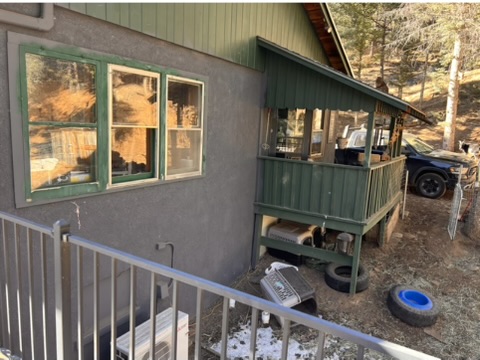
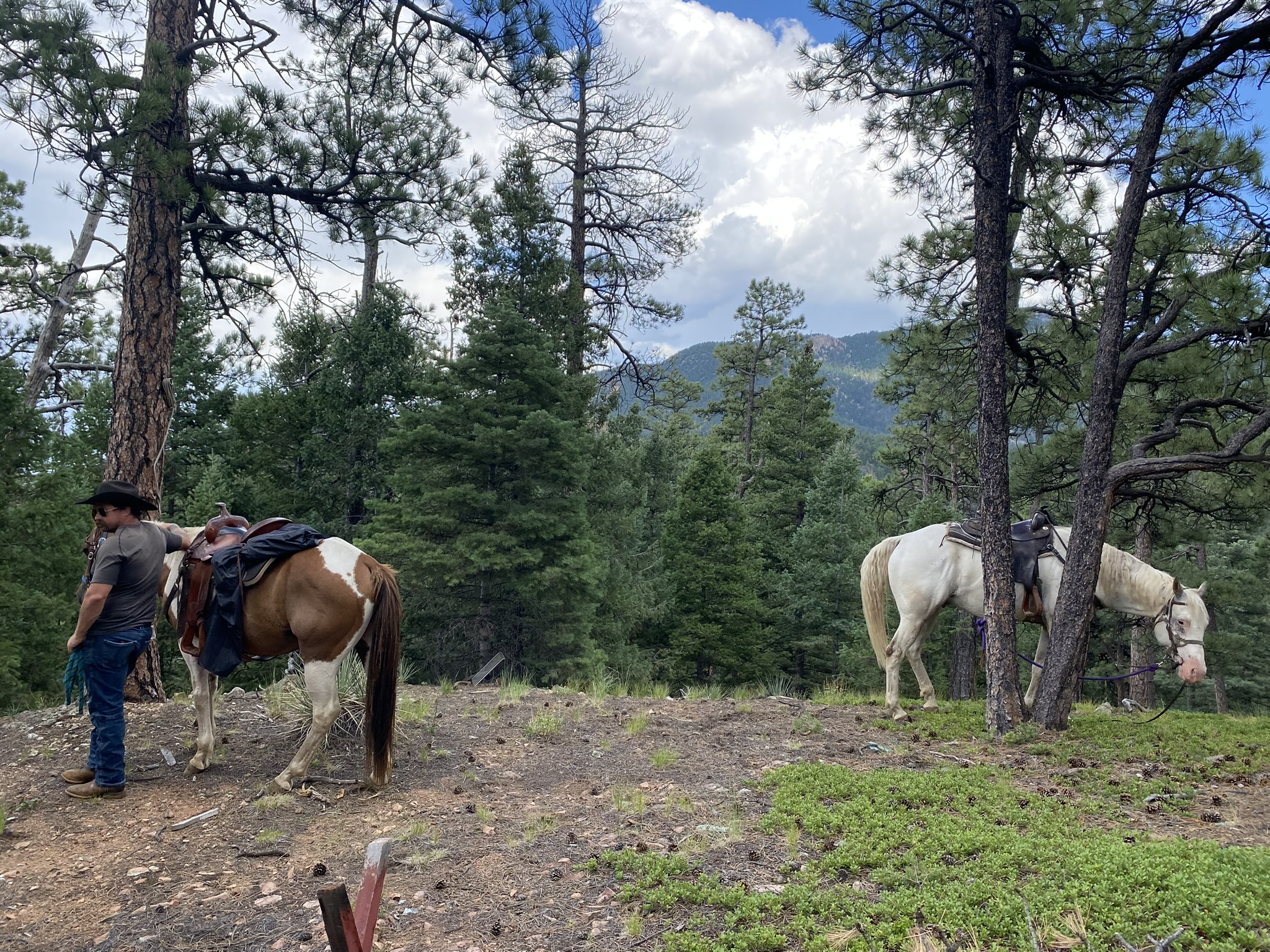
Two adjoining McCready homesteads formed the core of land later associated with Voss and the Myron Stratton Home. The ridge called the Long Hill ran through the Adamson homestead, while a common map error preserved the name Weston where Heston was actually correct.

Roads, Trails, and Access

The canyon was reached by trail, wagon, and eventually surveyed road.

Key access routes

  • Cutler Trail and the Old Stage Road before automobile access
  • William Garstin's 1923 to 1924 survey linking Greenwood Park to the Old Stage Road
  • The route that evolved into modern Myron Road
  • Extensions toward St. Peter's Dome and Gold Camp Road by the 1930s
  • Older roadbeds later reclaimed by floods and erosion

Garstin's field notebook, labeled Garstin Smith, shows that he surveyed a new route for both himself and Frederick Smith, trading land and payment as part of the arrangement. That route became the backbone of access into Greenwood Park.

Even now, portions of these old routes remain visible on the ground and in survey reconstructions.

Cabins and Community Life

Families built a rough but connected life in the canyon.

Cheyenne Mountain School cabin

A two-story cabin once stood above Bathtub Falls, serving children who climbed up from Seven Falls.

Poole's Cabin and the Green Settlement

Seasonal homes and small clusters of family life gave shelter to homesteaders such as Clara Cassatt.

Clara Cassatt

She built two log cabins on her 160-acre claim in 1893, part of the canyon's long record of practical mountain living.

Miners and Claim Jumpers

Prospecting brought ambition, conflict, and a maze of overlapping claims.

Historian Eric Swab identified two major clusters of unpatented mining claims south of the Wade Cutoff: one atop the Long Hill and another between Bathtub Falls and Gold Camp Road.

The upper cluster crossed what is now Myron Road. The Hillside Claims were still marked by hand-painted signs into the 1950s and were associated with families such as the Dailys and the Johnsons.

Nearby stood the Chapman Cabin, tied to the Monte Lode, Green Mountain Lode, and later the Eureka Mine. Claims around the Gamma Lode and the Park Group created exactly the kind of boundary disputes that made canyon mining notorious.

Chapman Cabin

Originally tied to the Dorr family and later rebuilt by Edward E. Thomas, the cabin was later owned by Ned and Lucia Chapman.

Louis Hershiser

Remembered for his temper and quarrels, he became one of the better-known figures in the canyon's claim disputes.

Park Group

A second network of claims stretched between Gold Camp Road and Bathtub Falls, extending toward St. Peter's Dome and Mount Rosa.

A Family Memory

Minerals, creek water, and the sense of being deeply blessed by the land.

Diane Olson recalled

A piece of road we called the Wade Cutoff ended up on the shoulder of St. Peter's Dome, near Cookstove and Mount Rosa. The creek's source is Mount Big Chief, near St. Peter's Dome, and it flows down through Seven Falls. The land was filled with beautiful minerals, and after rain the ground revealed crystals, quartz, feldspar, riebeckite, and maroon thorium nodules with silver flecks.

That memory captures something important about the canyon. It was never only a map of claims and structures. It was also a place of wonder, sharp observation, and long attachment.

Greenwood Waterworks and the Myron Stratton Home

Water infrastructure, philanthropy, and summer refuge became part of the canyon story too.

In 1926, banker Frederick R. Smith applied for the right to build a 70-foot dam on South Cheyenne Creek called the Greenwood Reservoir. His plans included pipelines from Sweetwater Creek, an inlet, a steel tank, and landscaped ponds at his summer home in Greenwood Park.

Winfield Scott Stratton's Myron Stratton Home also shaped the area. Its mountain property offered fresh air, outdoor classrooms, horseback rides, hikes, and seasonal refuge for children and elders tied to the home.

Modern Era

Floods, consolidation, and the remnants that still remain.

Over time, ownership consolidated and portions of Sweetwater and Greenwood Park passed into public hands. Major floods in 1965 and again in 2014 to 2015 reshaped roads, altered drainage, and erased older alignments.

Today, hikers and explorers still find chimney stones, cabin foundations, mine pits, and road traces. They remain as quiet witnesses to a past filled with grit, hope, conflict, and discovery.

Forest and mountain detail from the canyon property.
The canyon still carries the same textures of timber, slope, and weather that shaped its history.
Adventure route through the canyon landscape.
Old routes, new use, and lived memory continue to overlap on the ground.
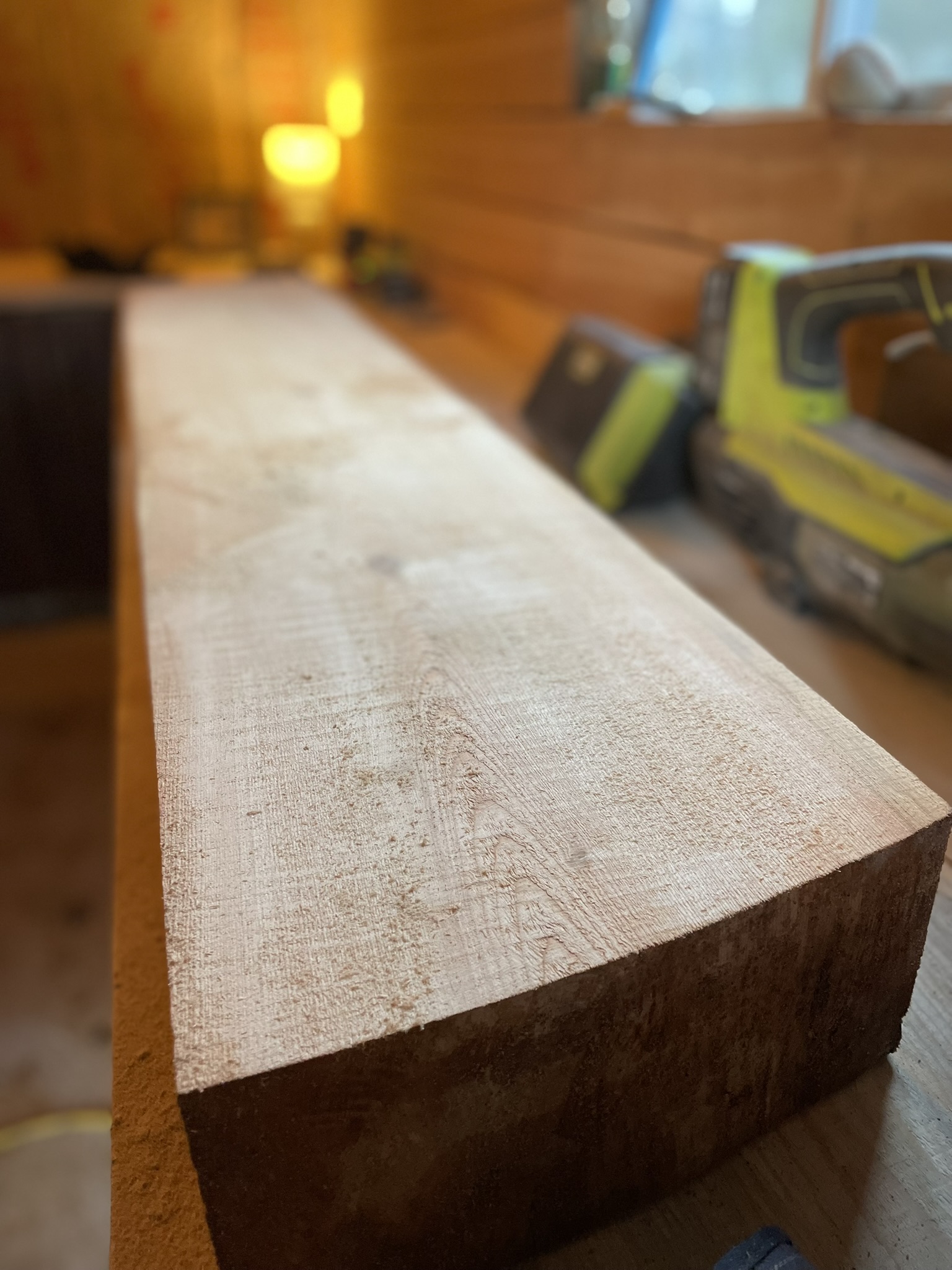
Mountain material and cut timber from the property.
The land still yields evidence of work, utility, and the making of place.

Primary Sources and Acknowledgments

This history is drawn from research, documents, and lived memory.

Diane Olsen

The Road and Mines and Mysteries, along with family recollections and canyon memory.

Eric Swab

Mining and homestead research that helped map claims, cabins, and ownership patterns.

Field records and oral histories

Frederick R. Smith documents, the Garstin survey notebook, Gazette reporting, and accounts from Trey Spiller and collaborators.

Contact Us

This story is still being written.

If you have memories, maps, photographs, or materials related to South Cheyenne Canyon, reach out. Every contribution helps keep the history of the canyon alive.